When you walk down the coffee aisle, you are greeted with a massive variety of bags labeled “Light Roast,” “Medium Roast,” and “Dark Roast.” But what do these labels actually mean, and how do they affect your daily cup?
There is a common misconception that dark roast coffee has more caffeine because it tastes stronger and more bitter. In reality, the roasting process changes the bean’s structure, moisture content, and chemical makeup in surprising ways. Let’s compare light roast vs dark roast coffee across flavor, caffeine, and brewing compatibility.
The Science of Roasting
Coffee beans are the seeds of the coffee cherry. In their raw form, they are green, soft, and smell like fresh grass. Roasting transforms them into the aromatic, brittle brown beans we know.
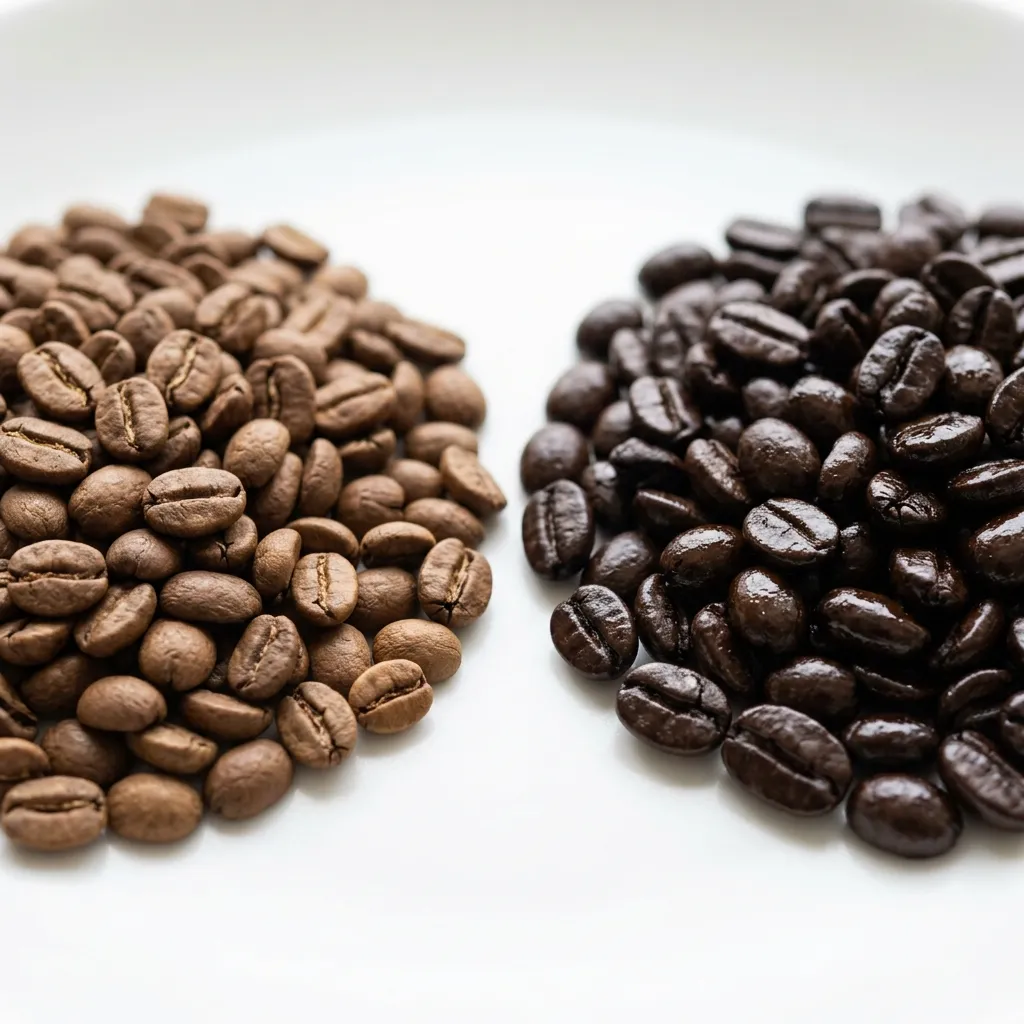
- Light Roast: Roasted to an internal temperature of about 350°F to 400°F. The roast is stopped immediately after the “first crack”—a physical popping sound the bean makes when steam expands it. The beans remain dry and light brown.
- Dark Roast: Roasted to temperatures of 440°F or higher. The roast continues past the “second crack.” The heat draws the natural oils to the surface, giving the beans a shiny, oily appearance and a deep chocolate-to-black color.
Flavor Profiles: Origin vs. Roast
- Light Roast (Origin-Forward): Because light roasts spend less time in the roaster, they preserve the unique characteristics of the soil, climate, and elevation where they were grown. They tend to have bright, fruity, floral, and tea-like flavor profiles with higher acidity.
- Dark Roast (Roast-Forward): Dark roasts roast out the origin characteristics. Instead, you taste the chemical changes of the roasting process itself—specifically caramelization and carbonization. Expect bold, smoky, dark chocolate, and nutty notes with very low acidity.
The Caffeine Myth Debunked
Does dark roast have more caffeine? Not necessarily.
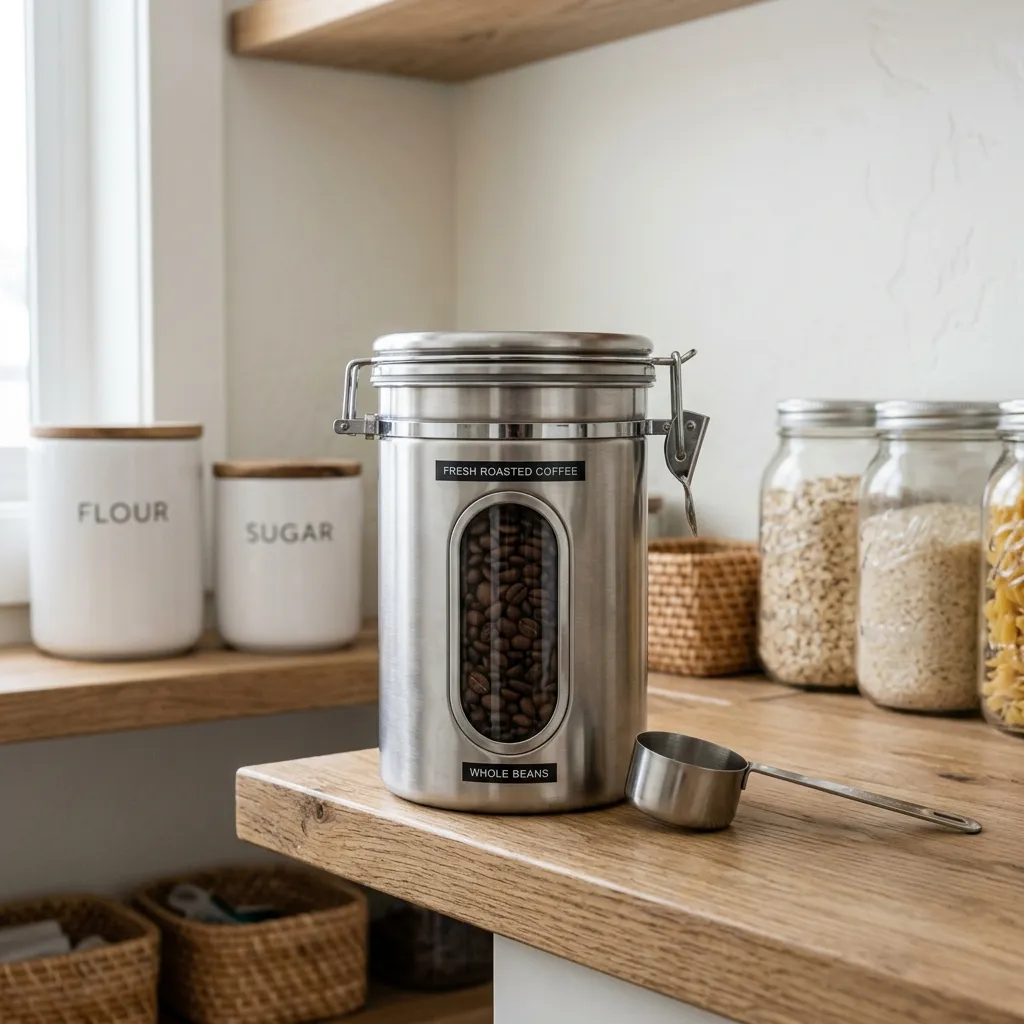
- By Volume (Scoop): Light roast beans are denser and smaller than dark roast beans (which puff up and lose moisture during roasting). If you measure your coffee with a scoop, a scoop of light roast contains more beans and therefore more caffeine.
- By Weight (Scale): If you weigh your coffee on a digital scale (e.g. 20 grams), dark roast will have slightly more caffeine because you need more of the light, moisture-depleted dark beans to reach the same weight.
Best Brewing Methods for Each Roast
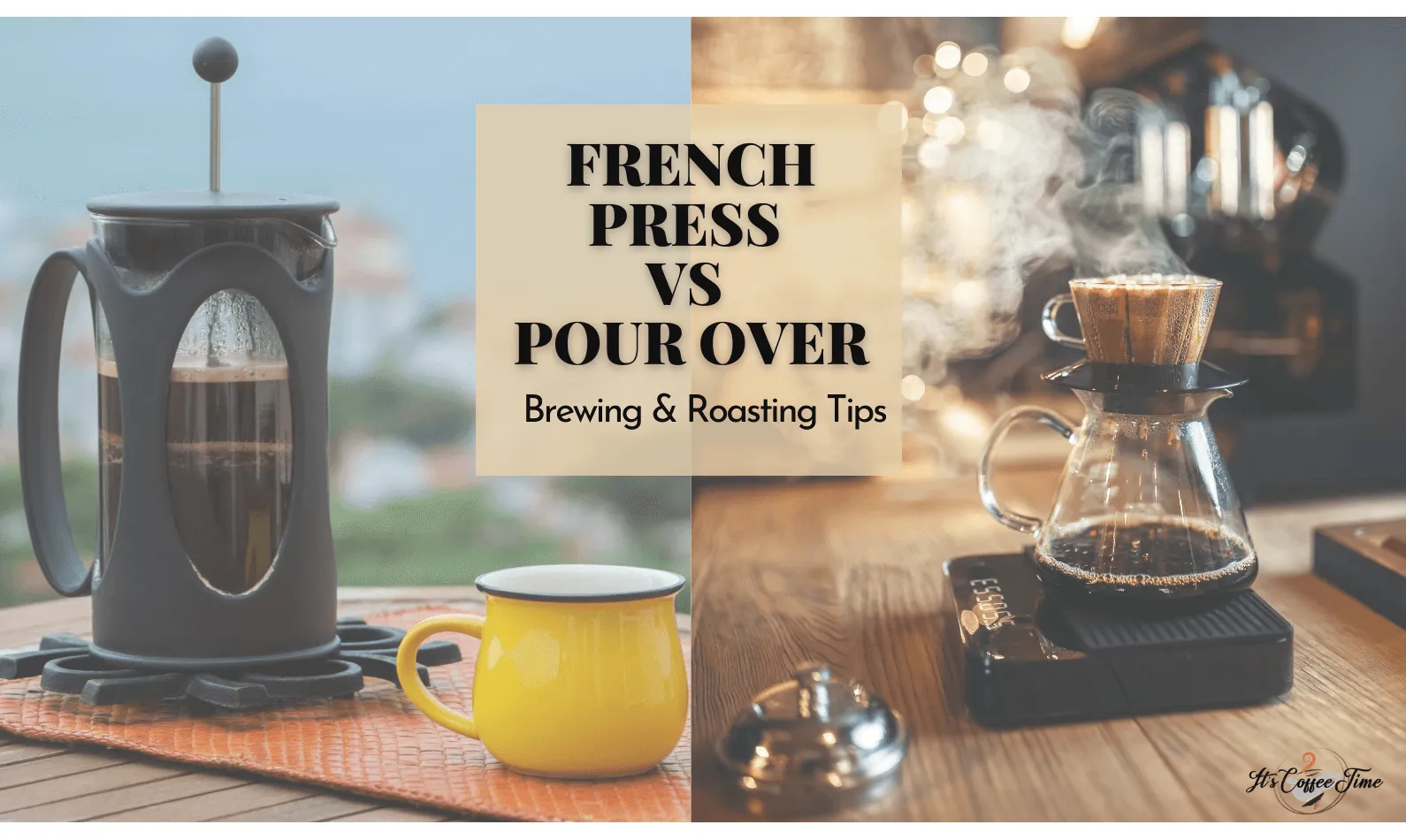
- For Light Roast: Pour-over methods (like Chemex or Hario V60) are ideal. They use paper filters that trap oils, resulting in a clean cup that highlights the delicate, fruit-forward notes.
- For Dark Roast: French Press or traditional Espresso. The immersion brewing of the French Press highlights the full body and rich oils, while espresso machines concentrate the low-acidity, dark chocolate notes.