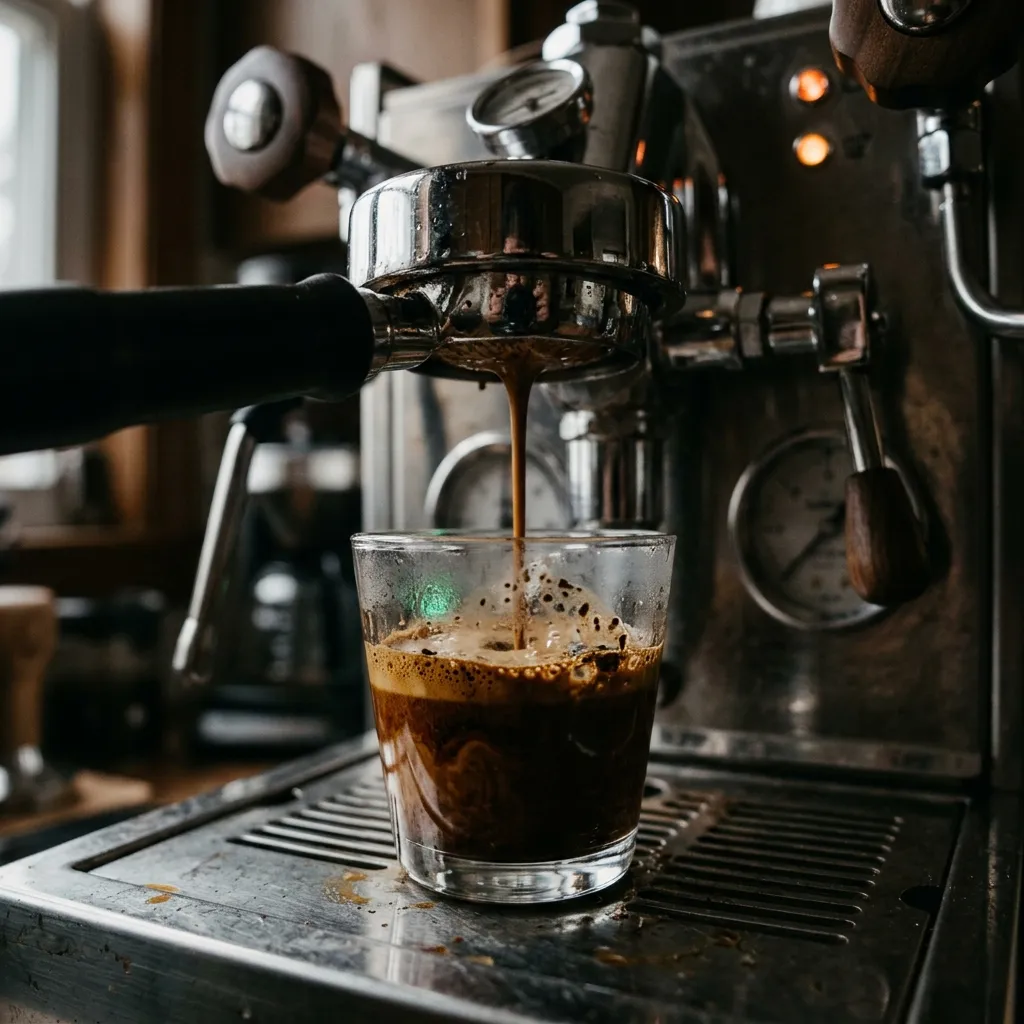
There is nothing quite as disappointing as brewing a fresh shot of espresso, expecting a sweet, rich, and syrupy cup, only to take a sip and get a sharp, puckering sensation. If you’ve asked yourself, “Why is my espresso sour?”, you are not alone. It is one of the most common issues beginner home baristas face.
Sour coffee is almost always the result of under-extraction. This means the water passed through the coffee grounds too quickly or didn’t extract the sweet, soluble compounds inside the beans. Let’s break down how to diagnose and fix sour espresso in your kitchen.
Sour vs. Bitter: Learn the Difference
Before adjusting your setup, make sure you are tasting sourness and not bitterness, as the fixes are opposites:
- Sourness (Acidic): Sharp, tangy, citrus-like, or salty. It hits the sides of your tongue and makes your mouth pucker immediately. It is caused by under-extraction.
- Bitterness (Ashy): Dry, hollow, burnt, or chemical. It lingers at the back of your throat and leaves a dry mouthfeel. It is caused by over-extraction.
The 4 Main Reasons Your Espresso is Sour
Here are the culprits behind a sour shot and how to resolve them:
1. The Grind Size is Too Coarse
If your coffee grounds are too large, the hot water flows through the gaps too quickly, leaving the delicious oils and sweetness behind.
- The Fix: Grind finer. Move your grinder settings a few steps towards “fine” to create more resistance for the water.
2. Water Temperature is Too Low
Espresso extracts best at temperatures between 195°F and 205°F (90°C to 96°C). Cold water cannot dissolve the sweet coffee compounds.
- The Fix: Warm up your machine. Run a “blank shot” (water only) through your portafilter to heat the internal pipes and metal group head before brewing.
3. The Brew Time is Too Short
A standard double shot of espresso should take between 25 to 30 seconds to yield a 1:2 ratio (e.g. 18g of ground coffee to 36g of espresso). If your shot finishes in 15 seconds, it will taste sour.
- The Fix: Increase resistance (grind finer or tamp harder) to slow the extraction down.
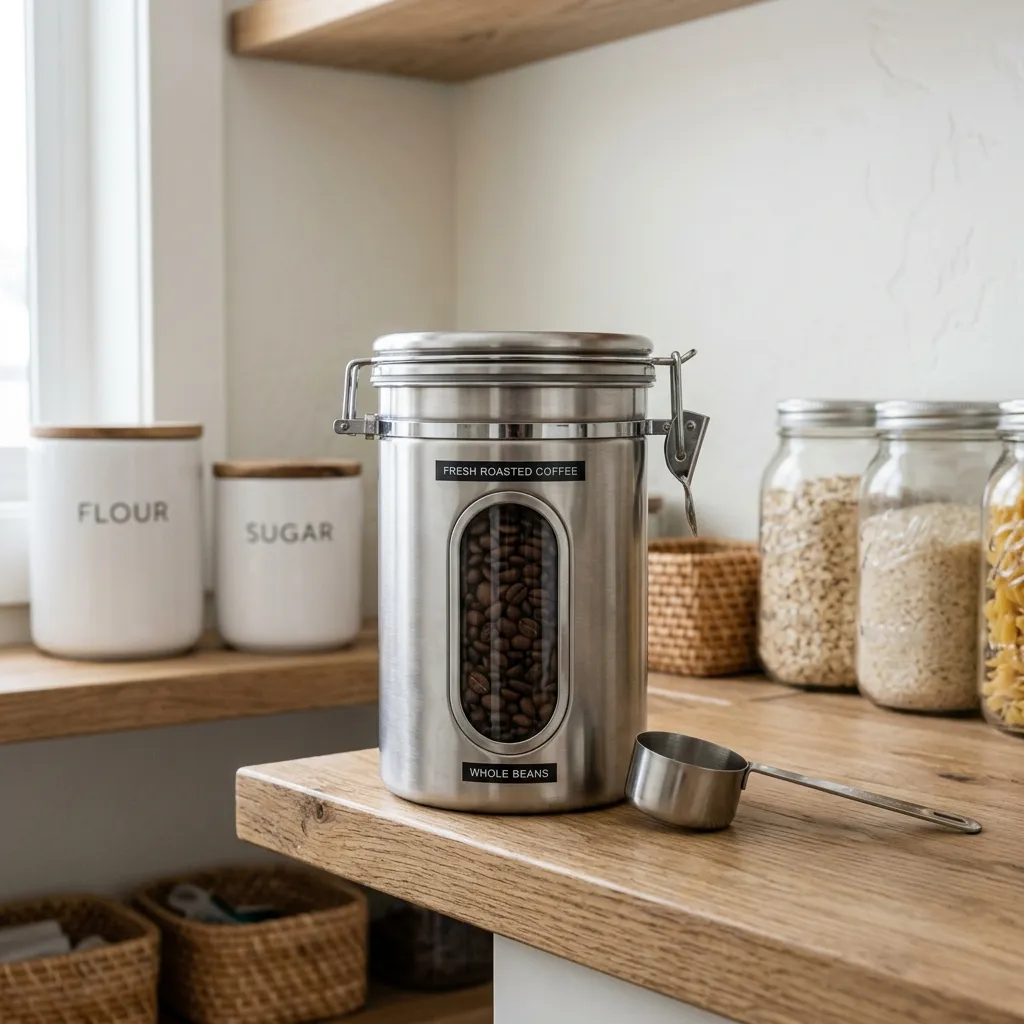
4. Stale or Lightly Roasted Beans
Very fresh beans (under 5 days off roast) contain excess carbon dioxide which creates carbonic acid, tasting sour. Light roasts are also naturally high in acidity.
- The Fix: Let beans rest for 7–14 days. If you prefer low acidity, choose a medium-dark roast bean with chocolate or nutty flavor profiles.
Barista’s Cheat Sheet to Fix Sour Shots
If your shot tastes sour, adjust only one variable at a time in this order:
| Variable | Current State | Adjustment | Expected Result |
|---|---|---|---|
| Grind Size | Coarse | Go Finer | Slower flow, more extraction |
| Brew Ratio | 1:2 (e.g., 18g in, 36g out) | Go to 1:2.2 (18g in, 40g out) | More hot water extracts remaining sweetness |
| Water Temp | Low / Cold Machine | Increase Temp (if adjustable) | Faster, more thorough extraction |