You spent time researching the best coffee beans, spent money on a premium roaster, and dialed in your grinder. But if you are storing your coffee beans in their original open bag or in a basic glass jar, you are throwing your hard work away.
Coffee beans are organic products. From the moment they finish roasting, they begin to release carbon dioxide and react with the environment. If left unprotected, fresh beans will go stale in a matter of days, losing their delicate aromas and tasting flat. Let’s learn how to store coffee beans to maximize their shelf life and preserve their delicious flavors.
The 4 Enemies of Coffee Freshness
To keep your coffee fresh, you must defend it from four environmental factors:
- Oxygen (Oxidation): The absolute biggest enemy. Oxygen breaks down the organic compounds and lipids inside the beans, turning them stale and sour.
- Light (UV Rays): Sunlight and bright kitchen lights photodegrade the beans, breaking down the chemical bonds and accelerating staling.
- Heat: High temperatures speed up the chemical reactions that cause beans to lose their freshness.
- Moisture: Humidity causes condensation on the beans, which extracts the coffee flavors prematurely and can even lead to mold.
Essential Storage Equipment
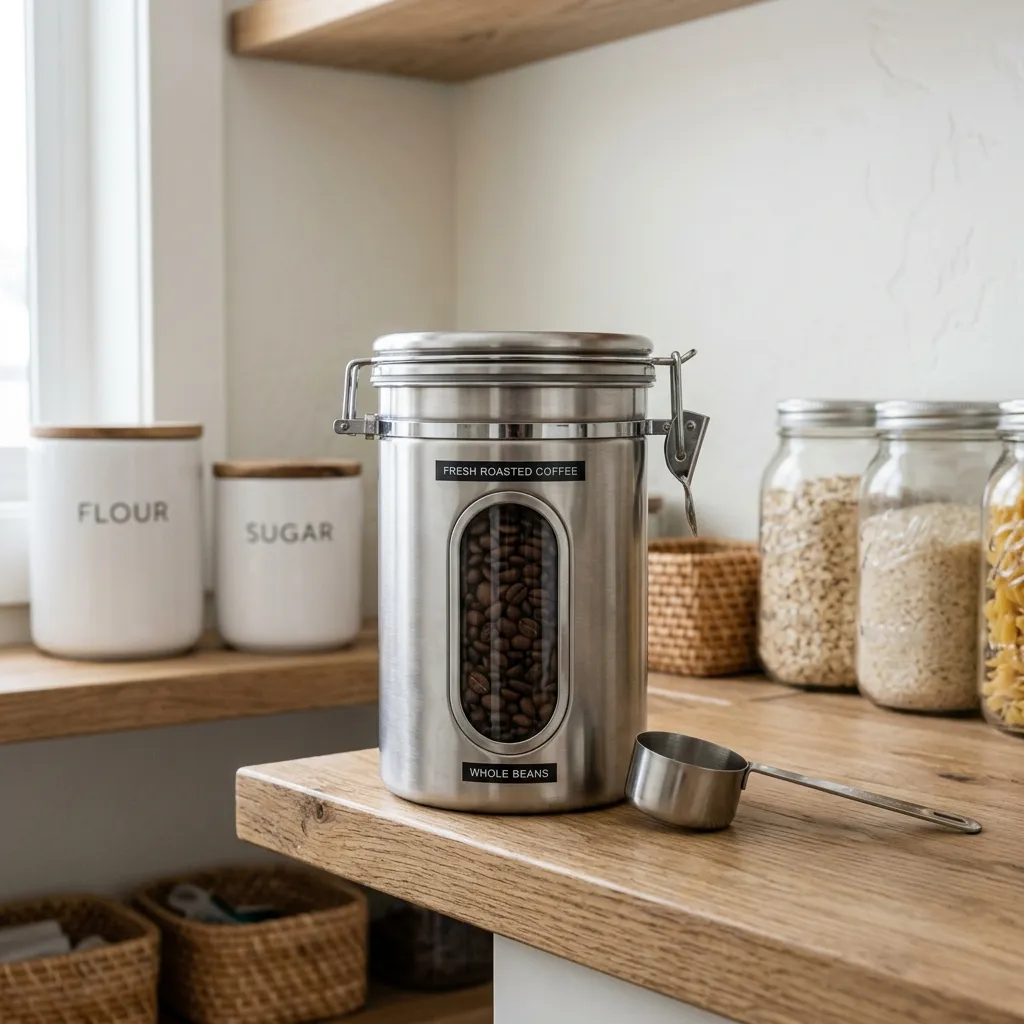
The best way to store coffee is in an opaque, airtight canister equipped with a one-way CO2 valve.
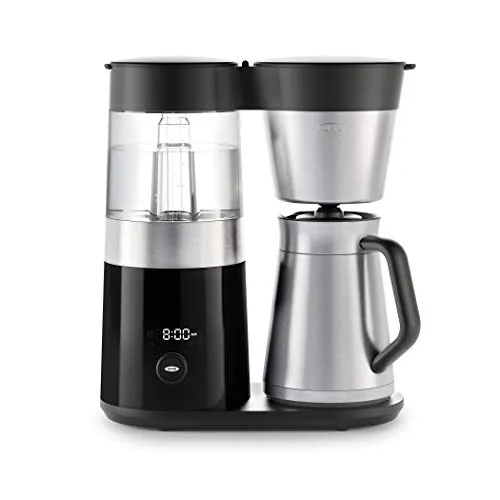
Airtight Stainless Steel Coffee Canister
Features a vacuum seal and a one-way CO2 valve to vent gasses while keeping oxygen out, keeping your beans fresh for weeks.

Best Practices for Coffee Storage
Follow these guidelines to keep your coffee tasting roasted-fresh:
1. Keep it in a Cool, Dark Place
Store your coffee canister in a dark cupboard or pantry. Avoid placing it on the kitchen counter in direct sunlight or next to the stove, oven, or refrigerator where temperatures fluctuate.
2. Buy Whole Beans
Ground coffee has thousands of times more surface area exposed to oxygen than whole beans. Ground coffee goes stale within 15–30 minutes of grinding. Always buy whole beans and grind them immediately before brewing.
3. The Freezing Debate: Yes or No?
Can you freeze coffee beans? Yes, but only if done correctly.
- The Wrong Way: Putting a bag of coffee in the freezer and taking it out every morning. The constant temperature changes create condensation inside the bag, destroying the beans.
- The Right Way: Portion your beans into small, single-brew doses in vacuum-sealed bags. Freeze them for long-term storage (up to 6 months). When you are ready to brew, take a single dose out and grind it frozen without letting it sit and accumulate condensation.